Our ship as a response to the polycrisis
The polycrisis is a convergence of interlocking emergences, characterized by "the causal entanglement of crises in multiple global systems in ways that significantly degrade humanity's prospects" (Lawrence et al., 2022). Following degrowth, post-development, and decolonial thought, we see it as an intertwined global emergence produced by the dominant growth-oriented, extractive, and colonial socio-economic and development models. Ecological collapse, widening inequality, cultural and political erosion, and social disconnection are different expressions of the same system that prioritizes accumulation over life.
We believe that what is tumbling down is not the Earth, but the worldview that placed humans above nature, and some humans above others. The polycrisis, then, is a systemic unraveling, but also an opening to re-imagine systems grounded in reciprocity, relationality, and regeneration.
Why we sail
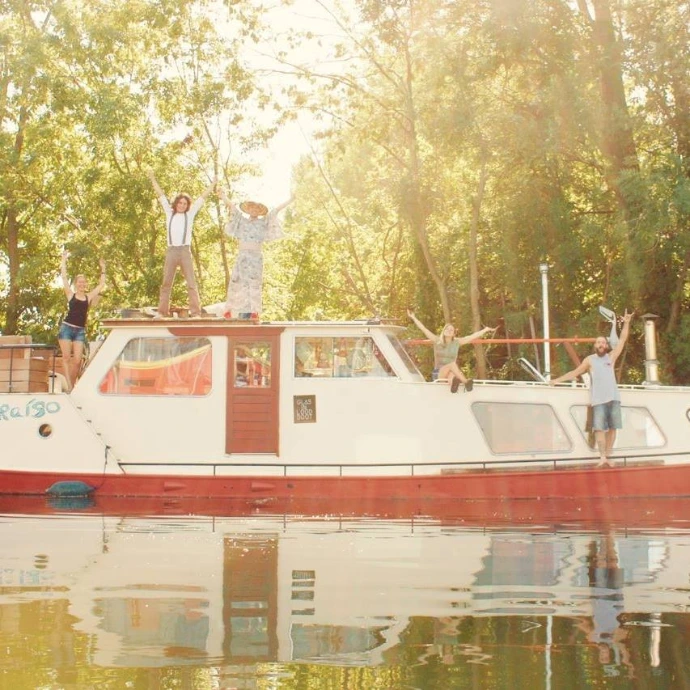
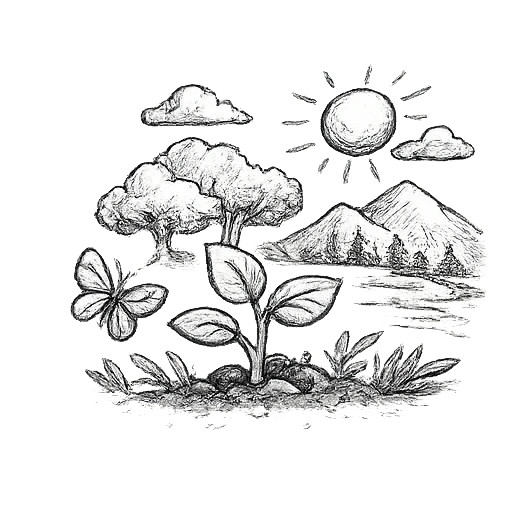
The world stands at a crossroads of collapse and renewal, and the polycrisis is both the storm and the invitation. The Adventures of the Valparaíso is our answer: a ship of ideas, practices, and people finding new courses through turbulent waters. We bring with us the seeds of regeneration, the maps of decolonial imagination, and the courage of post-growth, regenerative futures where all beings can thrive. We sail not toward a distant utopia, but toward a living nowtopia, where life regenerates, and hope becomes practice.
Who are the pirates
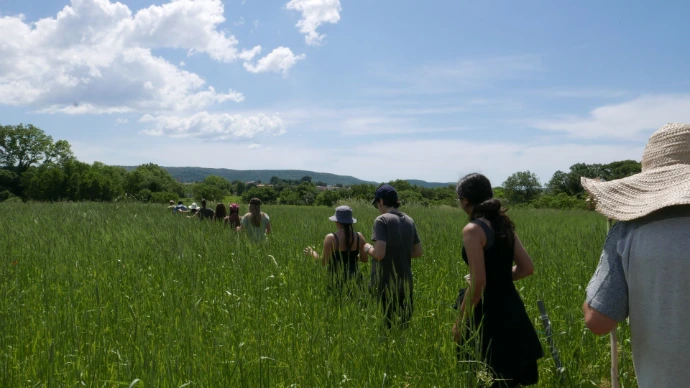
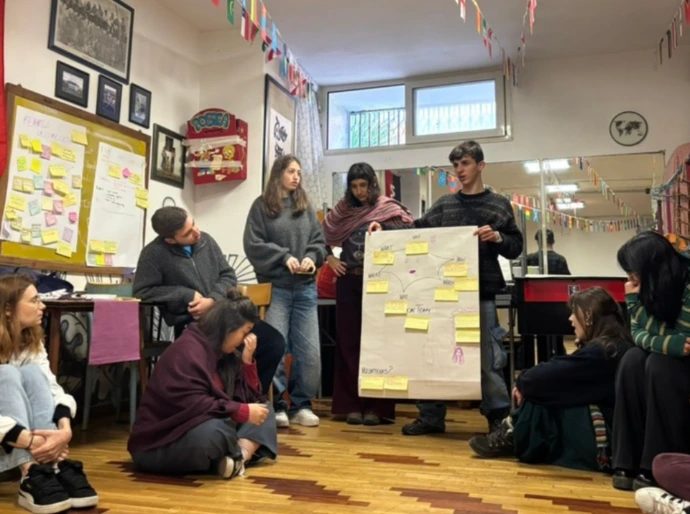
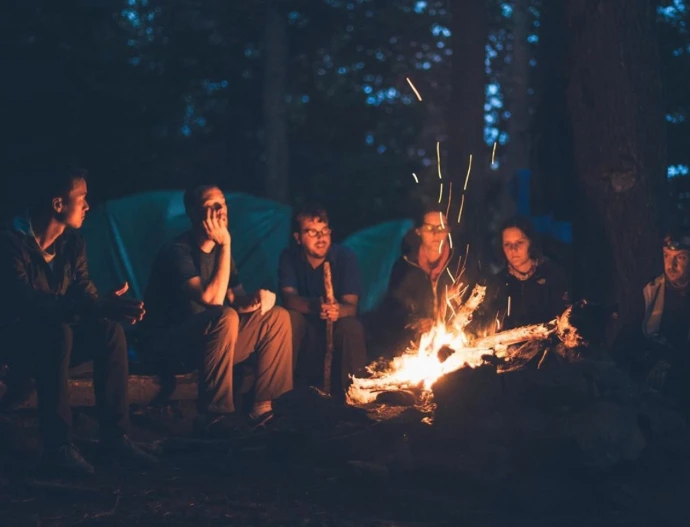
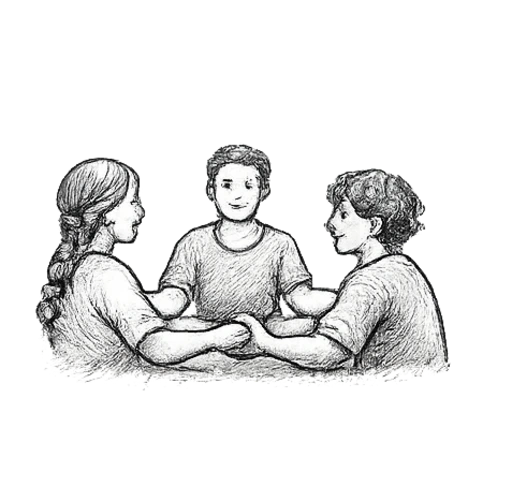
We are an international network of educators, community-builders, activists, learners, and dreamers who call ourselves the pirate crew of the Valparaíso ship. We are made up of our member crew, local hubs, travelling fellows, online participants, partner organizations, and the many living beings who shape the places we work in. We are anchored in non-formal education focused on both theoretical and practical regeneration, with a clear orientation toward post-growth/degrowth, post-development, political ecology, regenerative, and decolonial practices. Our work is both experimental and rooted: we learn by doing, codify what works, and share what we learn back into the world.
Our political and philosophical commitments
We are clear about where we stand. The Valparaíso orients itself politically toward:
Post-growth and degrowth principles: we reject the blind pursuit of material growth as the primary measure of success and instead foreground sufficiency, care, and ecological limits;
Decoloniality: we actively counter colonial logics in knowledge production, governance, and relationships. We invite all epistemologies in our educational approach, including indigenous and other historically marginalised epistemologies, and we practice accountability to places and peoples most affected by extractive systems;
Post-development alternatives: we refuse one-size-fits-all development prescriptions, be they economic, social, or any kind of toxic “progress” ideology that excludes, extracts, and maintains power imbalances that keep people and nature in a state of polycrisis.;
Plurality and the pluriverse: we embrace multiple ways of knowing and being. There is no single “right” path, only networks of practices that respect local autonomy and ecological limits.
The economies we imagine
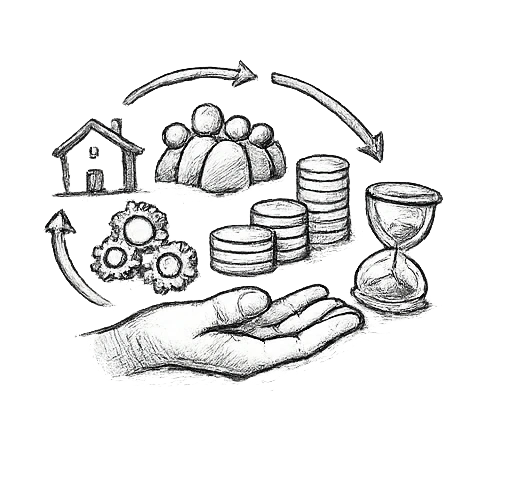
The economies we envision draw on the insights of thinkers such as Arturo Escobar, Jason Hickel, Vandana Shiva, Ashish Kothari, Gustavo Esteva, and Silvia Federici: economies focused on life, reciprocity, and justice rather than extraction and unlimited growth. They point to community-managed resources, commons-based governance, cooperative work models, care-centered provisioning, and local systems for food, energy, and exchange that honor ecological limits, among many other things. These approaches draw inspiration from traditions long practiced by Indigenous and traditional community-based societies worldwide, and align with pluriversal visions of “a world where many worlds fit” (Zapatista Army of National Liberation - EZLN, 1996). For us, these are not just abstract ideas but practical paths toward economic cultures that uphold dignity, autonomy, and the Earth.
Nowtopia: building the world we want to see now
We don’t wait for the future to arrive: we build a nowtopia: living examples of alternative realities in the present. Every workshop, training, exchange, or gathering is already a miniature nowtopia: a place where the future we want is practiced now. We center practices that create belonging, and ecological and socio-economic regeneration today, with eyes on systemic transition tomorrow.